Why We Started Baking
And why we still do it this way

Most bakeries start with a business plan. We started with a question.
Why had bread become something people tolerated rather than enjoyed? When did morning pastries stop being worth waking up for?
The answer led us backward: to methods that take longer, cost more, and produce less. Methods that actually work.
The Problem We Saw
Industrial baking optimized for everything except taste. Shelf life extended at the expense of flavor. Texture engineered for uniformity rather than character.
Meanwhile, people kept buying it because they had no alternative. Or worse, they stopped buying bread entirely because nothing seemed worth it.
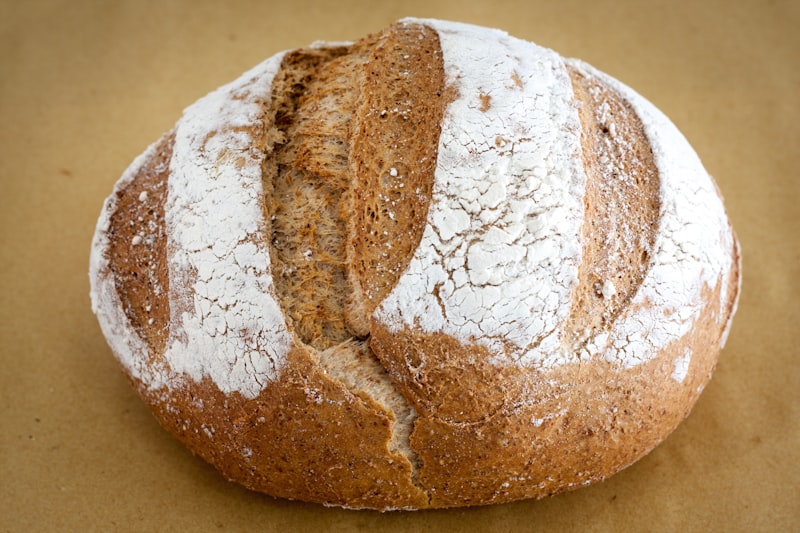
We thought: what if someone just made good bread again? Not artisanal theater. Not rustic aesthetics. Just genuine quality using proven techniques.
How We Learned
Traditional baking isn't something you learn from videos. We spent eight months working in bakeries that never stopped using old methods. Places where apprenticeship still meant years, not weeks.
We learned why temperature matters more than most recipes admit. Why hydration ratios change with weather. Why good bread requires physical intuition, not just measurements.
Then we came back and spent six more months failing. Adjusting. Trying again.
What We Do Differently
We mill some of our flour weekly. Not all of it, but enough that freshness actually matters.
Our sourdough starter gets fed every morning before we do anything else. It's not symbolic. Healthy starter produces better bread.
We shape every loaf by hand because machines can't feel when dough needs gentler handling. We score deliberately because cuts affect how bread expands.
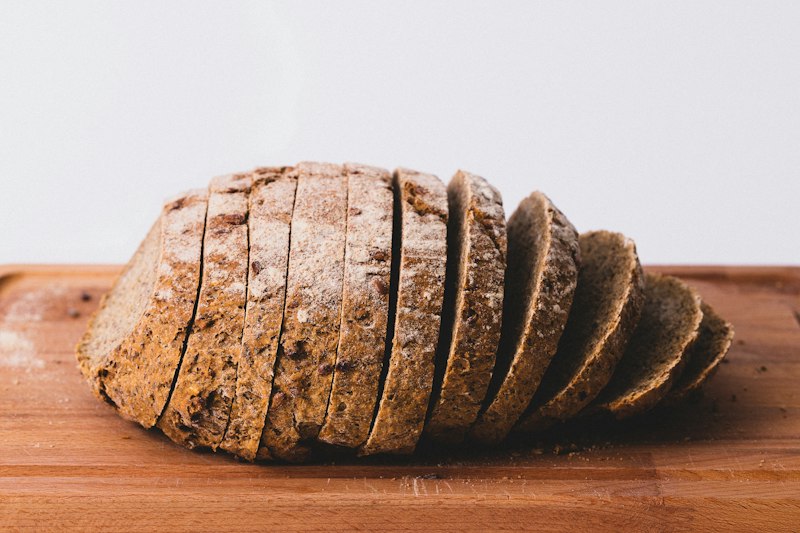
Nothing here exists for show. Every choice serves function.
"I've been baking at home for years and always wondered why my bread never matched bakery quality. Then I tasted Aurora's sourdough and realized: I'd never actually had bakery quality before. Just industrial bread sold in bakeries."
— Luis P., Home Baker
What We Believe
Quality shouldn't require explanation. If bread is good, people notice immediately.
Traditional methods survived because they produce better results, not because they're romantic. The romance came later, after industrialization made quality rare.
Time is an ingredient. You can't speed up fermentation without consequence. You can't rush proper development.
Real ingredients cost more. They're also better. The math is simple.